Between Two Hearts: My Journey Through Transplant, Migration, and Medicine.
When I first moved to the United States (US), I carried more than a suitcase, I carried the weight of a failing heart and the hope of a second chance at life. Leaving Lebanon, the soil of my childhood and my roots, was not simply a relocation. It was a crossing between survival and uncertainty.
The manifestation of my heart disease was sudden, resulting from a viral infection that had targeted my heart. Doctors monitored me closely, and after a couple of months and several failed interventions, it became clear that my heart could no longer keep up with my body’s needs.
Treatment options were limited, and eventually a heart transplant became the only path forward. That reality is what brought my family and me to Detroit, where advanced care and the possibility of a new heart were within reach.
I moved to the United States at 15 years old and established care with the heart failure team here in Detroit. A few months later, I received the call at 3 AM inviting me to a second chance at life. I remember lying quietly for a while after that call, caught between relief and disbelief. For the last 6 months, I had lived with uncertainty, and suddenly the future opened up in front of me. Gratitude was the strongest feeling, but it came mixed with the weight of knowing that another family’s loss had made my second chance possible.
That night marked the turning point, but it was only the beginning. Surgery and survival were the first steps; learning to live with a new heart would prove to be an even longer journey. Recovery was not just physical—it was spiritual, emotional, and deeply humbling. To live with a heart that once beat in another body is to know, intimately, the fragility and generosity of life.
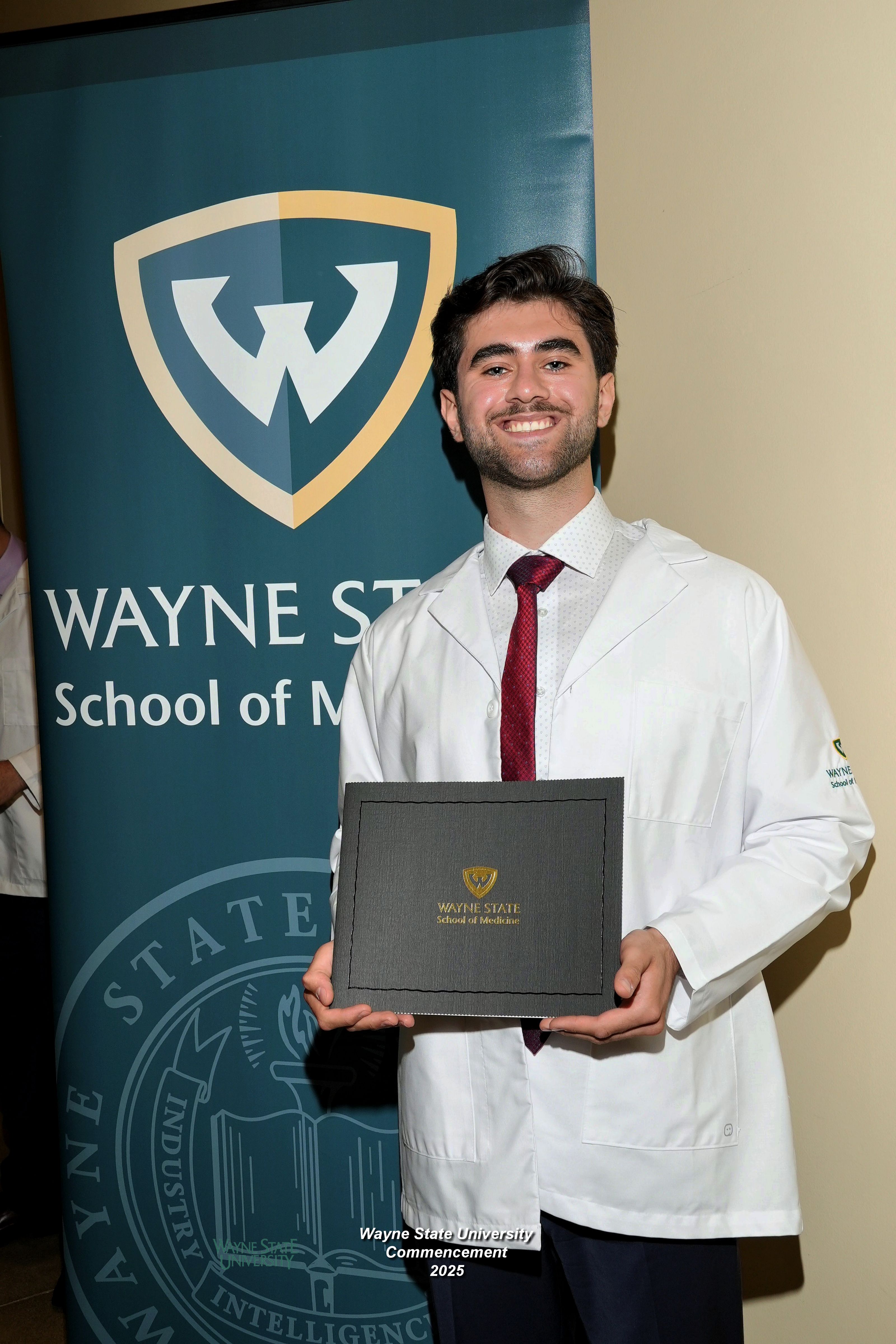
That moment reshaped everything. Medicine, which I had once admired from the outside, became my calling. It wasn’t just the science of it, the precision, the hours, the discipline, it was the humanity of it. Every medication I took, every doctor who guided me, every nurse who reassured my family gave me a glimpse of what healing truly means. I wanted to stand on the other side of that equation, to be the one who gives that reassurance and carries that responsibility.
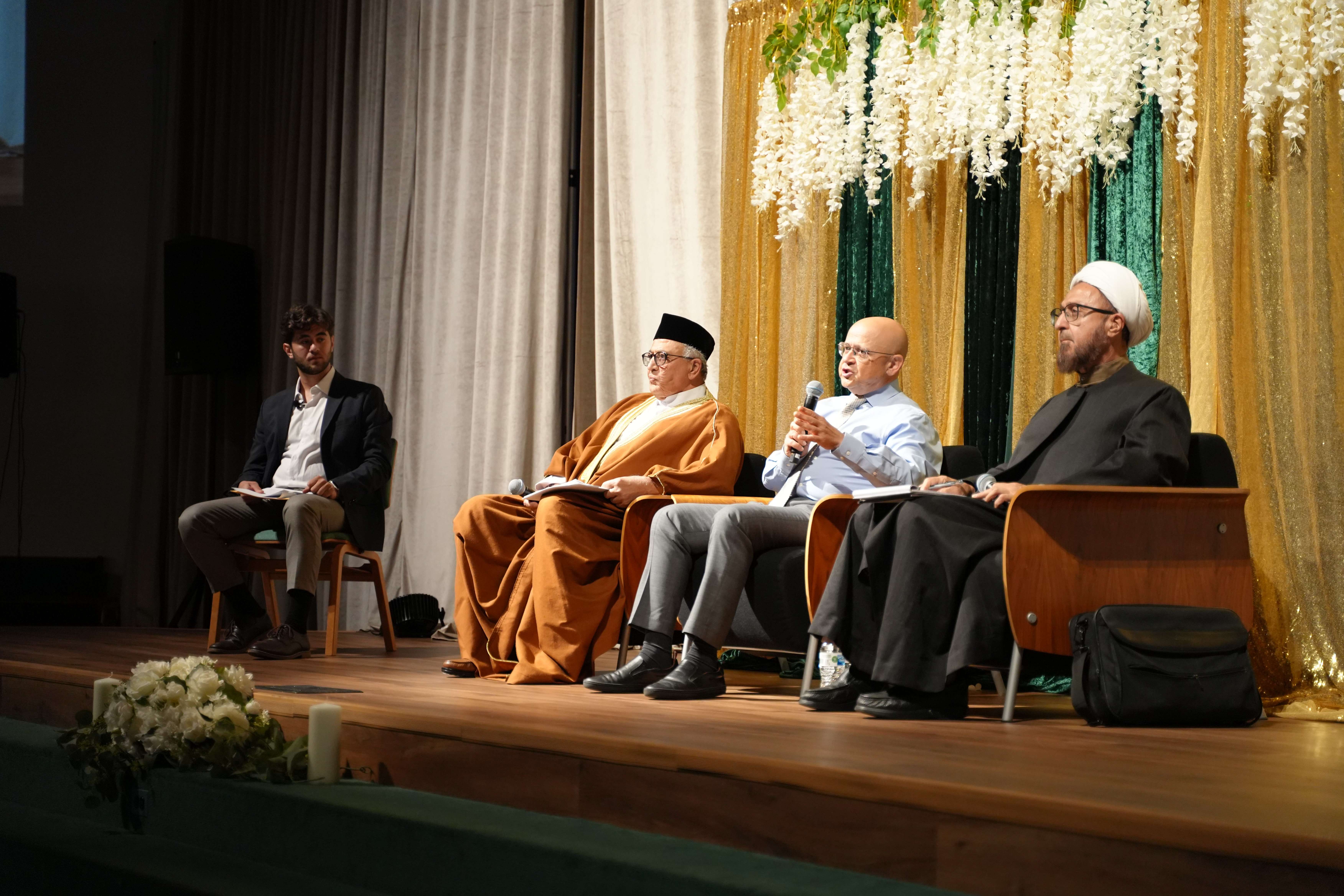
But my story is not only personal, it is also cultural. In the Arab American community, conversations about organ donation are often weighed down by hesitation, religious misconceptions, and cultural silence. I have seen it firsthand: the myths that circulate, the reluctance to sign a donor card, the fear that agreeing to donate means giving up on hope. Yet my very life is proof of what organ donation makes possible.
This is why I speak about it openly. Clearing misconceptions is not just about correcting facts, it is about reclaiming compassion. Our traditions and our faiths, at their core, are rooted in mercy, generosity, and giving life to others. Organ donation is one of the most profound ways of living those values.
My journey, from a patient on a transplant list, to a survivor carrying someone else’s heartbeat, to currently a medical student preparing to serve, exists because a stranger and their family chose to say yes. Their “yes” became my tomorrow.
I share this not only as a testament to what organ donation can do, but as an invitation. To my Arab American community, I ask: let us talk about this, let us question, let us learn. And maybe, let us sign our names to give life when our own ends. Because for someone, somewhere, that signature will mean another sunrise.